
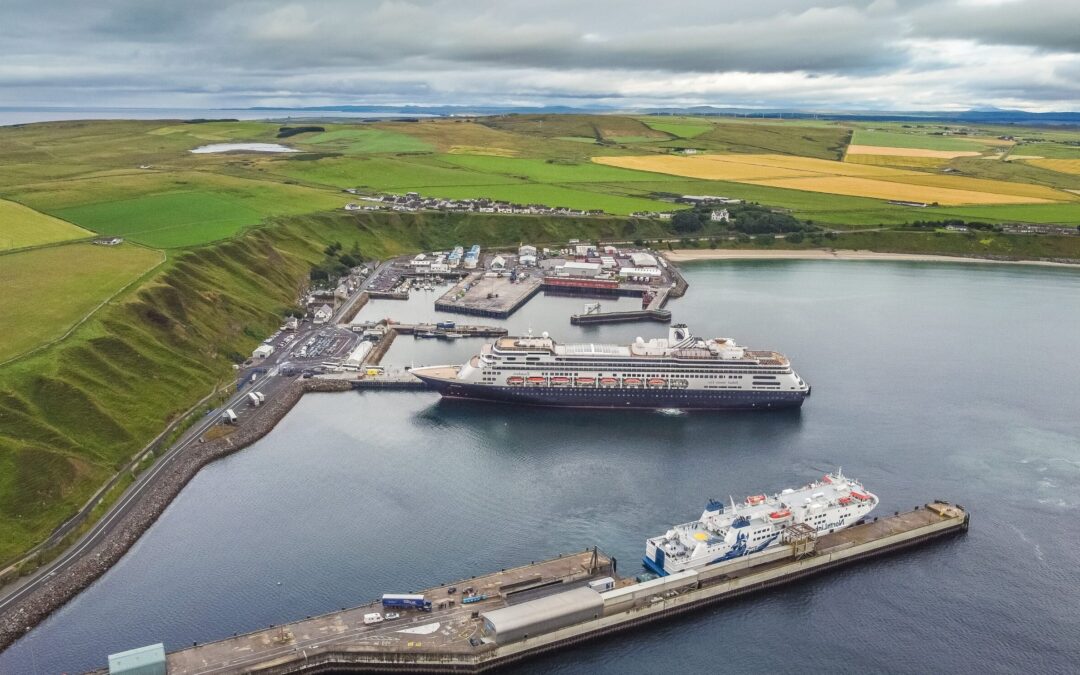
The transport, energy and community infrastructure supporting investment across the North Highlands.
When people talk about investment in the North Highlands, the conversation often centres on the projects themselves: offshore wind, nuclear, space, conservation and the technologies shaping the journey to net zero.
Yet behind every successful project is the infrastructure that allows businesses, communities and supply chains to thrive.
Infrastructure is about far more than roads and bridges. It’s the transport links that connect rural areas to national markets. It’s the ports that move equipment and materials. It’s the electricity network that powers new industries, the education providers developing future skills, and the homes that enable people to build their lives here.
Taken together, these foundations are helping position the North Highlands as a region ready to support long-term investment.

Connected by land, sea and air
The geography of the North Highlands presents a unique proposition.
Like our island neighbours, the region benefits from vital air connectivity, with Wick John O’Groats Airport providing a lifeline link to Aberdeen and beyond. For businesses, contractors and investors, the PSO route plays an important role in maintaining access to national markets and specialist expertise.
Unlike the islands, however, the North Highlands also enjoys direct mainland connectivity. The A9 provides a continuous road link from central Scotland to Thurso, complemented by the Far North Line rail network. Together, these transport links offer developers multiple routes to move people, equipment and materials around the region.
That combination of air, road and rail connectivity is unusual for a rural area and provides flexibility that is increasingly valuable as investment gathers pace.
Ports powering the energy transition
The region’s ports have long been central to the North Highlands economy, but they are also evolving to support the industries of the future.
At Scrabster Harbour, the deep-water port provides a significant strategic advantage. It supports a diverse range of industries, handling cargo and servicing projects across the oil and gas, nuclear and renewable energy sectors while continuing to strengthen its role within offshore wind supply chains.
In the east, Wick Harbour has undergone significant transformation through its role as the operations and maintenance base for Beatrice Offshore Wind (BOWL). The development has transformed the harbour area, creating modern facilities and supporting 80 long-term, high-value jobs within the local economy. Looking ahead, the harbour continues to explore opportunities to build on that success by supporting future offshore wind developments in the North Sea.
Together, the region’s ports provide complementary capabilities that strengthen the North Highlands’ position as an energy and maritime hub.
Building the network of tomorrow
Investment in renewable energy generation continues to grow across the region, but generating clean electricity is only part of the picture.
The transmission network is equally critical. As Scotland’s energy system evolves, investment in grid infrastructure will play a key role in unlocking future renewable projects, supporting industrial growth and ensuring electricity generated in the North Highlands can reach homes and businesses across the country.
Alongside energy infrastructure, digital connectivity also continues to improve, supporting businesses operating in increasingly global markets while enabling people to live and work successfully in rural communities. With the growth in remote working post-Covid, more and more working age professionals are relocating north to benefit from enriching career opportunities and an unmatched quality of life.
Investing in people as well as places
Infrastructure isn’t only physical.
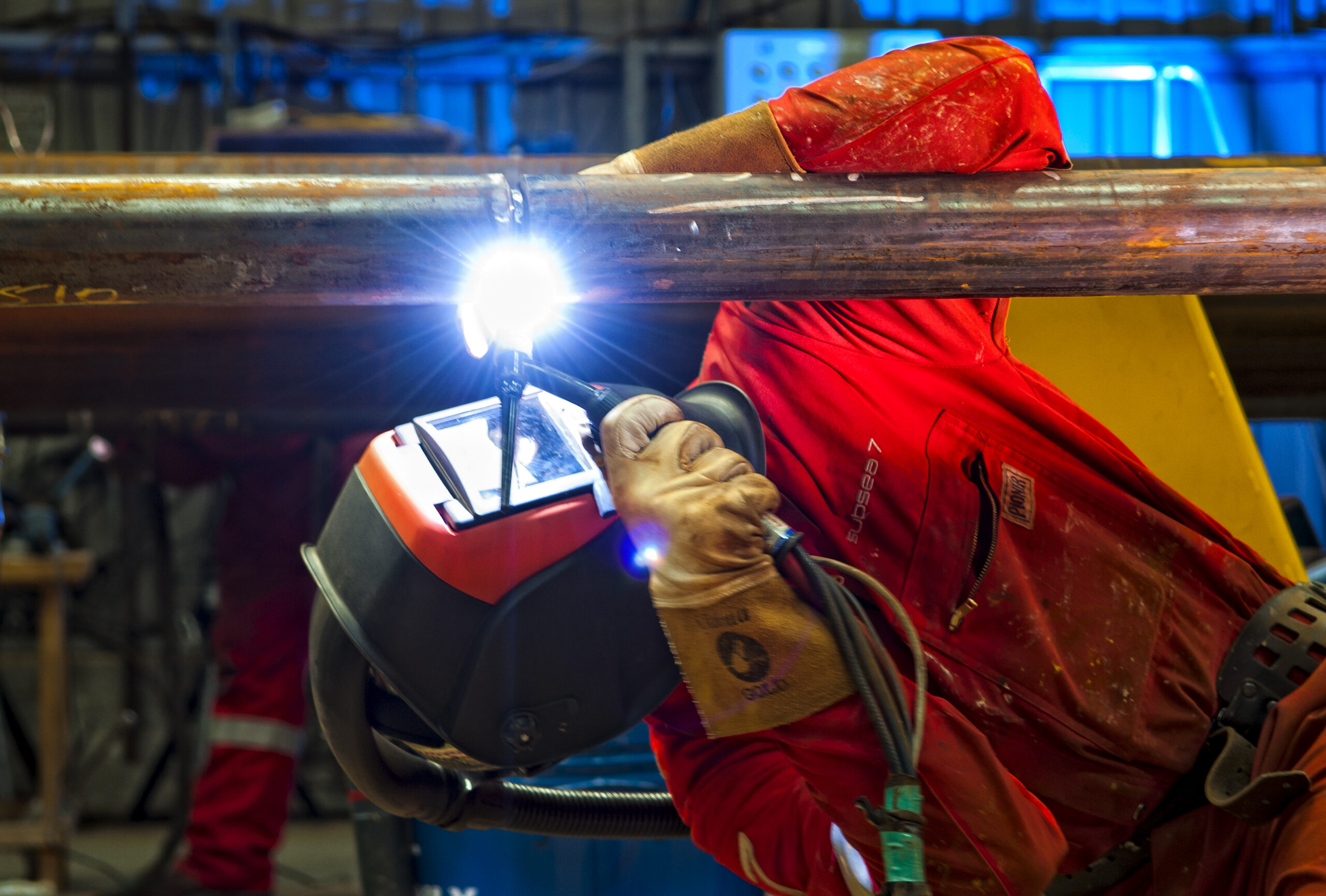
The North Highlands benefits from strong partnerships across education, training and industry, helping to develop the skilled workforce required for both today’s industries and those emerging over the coming decades.
From apprenticeships and vocational training through to university-level research and innovation, organisations across the region are working closely with employers to ensure local people can access high-quality careers without needing to leave the area. Have a look at the Caithness Business Fund website to see the range of apprenticeship, graduate and skills development funding available locally.
As investment grows, developing talent locally will remain one of the region’s greatest strengths.
Meeting the housing challenge
A growing economy also needs somewhere for people to live.
Like many rural areas across Scotland, the North Highlands faces well-documented pressures around housing supply. Addressing that challenge will be essential if economic growth is to translate into thriving, sustainable communities.
Encouragingly, action is already underway. Highland Council’s ambitious Highland Investment Plan sets out proposals to deliver new affordable homes across the region, while private sector initiatives are helping to meet more immediate workforce needs. Murphy’s planned accommodation village, for example, will provide high-quality accommodation for workers supporting major infrastructure projects.
While no single solution will meet future demand, public and private sector investment together demonstrates a shared commitment to supporting growth responsibly.

Foundations for long term success
The North Highlands has never relied on a single industry or investment opportunity. Its strength lies in the combination of assets that work together: strategic transport links, modern ports, growing energy infrastructure, strong education partnerships and communities committed to building a sustainable future.
As nationally significant projects continue to emerge, these foundations become increasingly important. They provide the connectivity, resilience and capacity that enable investment to move from ambition to delivery.
The projects may capture the headlines, but it’s the infrastructure behind them that helps ensure the North Highlands is well placed to seize the opportunities ahead.