

Think you know Caithness and Sutherland? Read on to discover the opportunities that will transform our region for generations to come.
Why is the North Highlands attracting so much attention?
Because when it comes to energy, the map of the UK is being turned upside down. Traditional economic geography puts the UK’s major cities at the centre and remote regions at the edge, but in energy terms the opposite is true.
Scotland now exports around a third of the energy it generates, with much of that power flowing south to major population centres.
In the North Highlands, onshore wind alone generates around 12.5 times more electricity than we consume. At a time when energy security, grid capacity and clean power are national priorities, areas like ours have become the engine room.
What makes the region different to other parts of the UK?
Ours is a story of convergence. Few regions can lay claim to decades of sector-leading nuclear expertise, enormous generating power in onshore wind, immediate proximity to five major offshore wind sites, the world’s largest planned tidal array and a UNESCO World Heritage Site locking in more carbon than all the UK’s forests combined. Together, these assets create a unique convergence of energy, environmental and industrial opportunity. And all in a mainland location connected by air, sea, rail and road.

Is this just an energy story?
No. Energy may be the catalyst, but it’s not the whole story.
The North Highlands’ natural assets have shaped our economy for generations, from oil and gas to nuclear and renewables. In the process, they have helped build a highly skilled workforce, an experienced supply chain and infrastructure capable of supporting major projects.
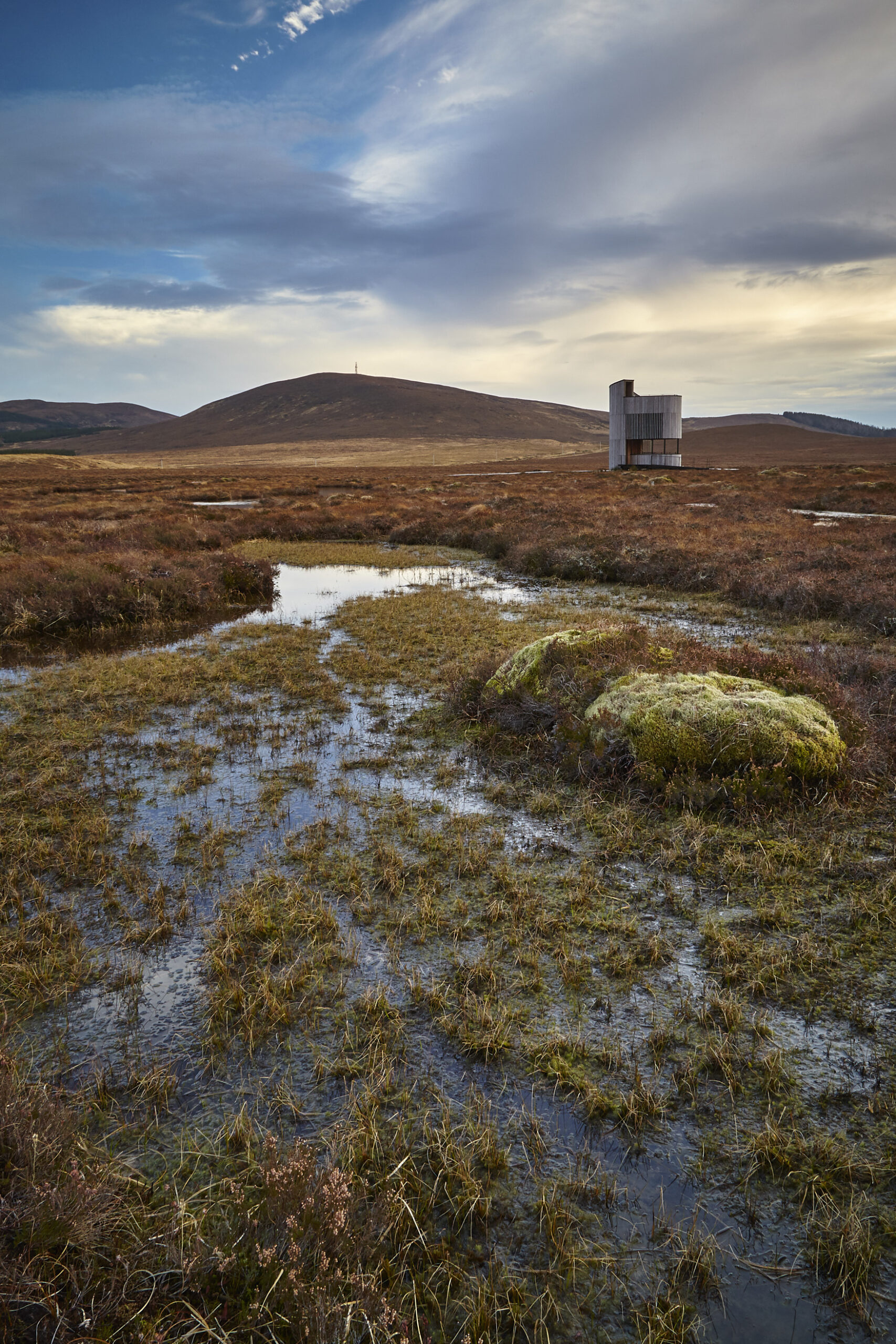
Yet alongside our industrial strengths sits one of the world’s most significant environmental assets: the Flow Country. Designated a UNESCO World Heritage Site in 2024, this vast peatland stores an estimated 400 million tonnes of carbon and is attracting growing interest in conservation science, peatland restoration and natural capital investment.
Where are the next opportunities emerging?
Our region’s next growth sectors are building on capabilities that already exist. Decades of expertise in energy, engineering and project delivery are creating opportunities in adjacent industries.
Over in northwest Sutherland, the A’Mhoine spaceport combines clear airspace and direct access to polar launch trajectories – a critical capability for Earth observation. Taken together with the Flow Country, it creates a unique platform for environmental monitoring and climate science. Development of our nascent space sector could generate high-value jobs and inward investment, supported by a local workforce with decades of experience in complex, highly regulated industries.
Battery storage and grid technologies are another natural fit. As renewable generation increases, so too does the need for energy storage, grid balancing and smarter energy systems, including innovative approaches to harnessing constrained wind.
There is also growing interest from data centre investors, attracted by access to renewable power, available land and the potential for further digital infrastructure investment.
These sectors may look very different, but they are being driven by the same strengths: abundant clean energy, technical expertise and the capacity to support large-scale projects.
Can the region keep pace?
These economic opportunities can only be realised if we have the infrastructure to support them. Housing remains one of the region’s biggest challenges. While North Highland remains one of the UK’s more affordable places to buy a home, increasing supply will be critical if we are to attract and retain the workforce needed to support future growth.
To that end, Highland Council’s Highland Investment Plan is the largest investment programme in the region’s history, investing £2.1 billion over 20 years, including £1bn in the next decade. The HIP will deliver improvements in roads and transport, education provision, community facilities and education. It sits alongside the council’s £6bn Highland Housing Challenge which aims to deliver 24,000 homes. In Caithness, the HIP will also deliver a £100m new Community POD (Point of Delivery) in Thurso – combining education, health, leisure, childcare, council and community services in one state-of-the-art facility.
What happens next?
The opportunities ahead are significant, but they will only translate into long-term prosperity if investment in infrastructure is matched by investment in people.
As a partnership organisation, Focus North brings the critical mass and strategic oversight to not only address population decline, but actively reverse it.
That begins by inspiring young people through initiatives such as Reinventing Regions, Powering Futures and a range of STEM engagement programmes. It continues through the work of Developing the Young Workforce to secure valuable work experience placements and start on a meaningful path, home or away. Beyond that, our partners are funding apprenticeships, graduate placements and skills development programmes. And our region benefits from a dedicated talent attraction programme in Live North.
Together, we’re delivering the location and the workforce to build a sustainable future in the north of Scotland.